
About Eastmallbuy Spreadsheet
Click the images below to browse!
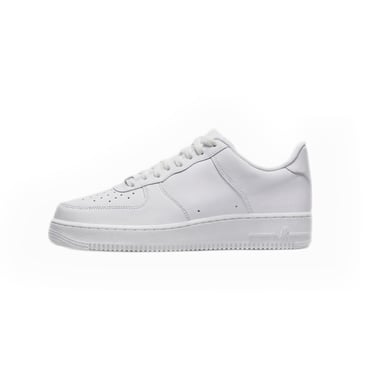
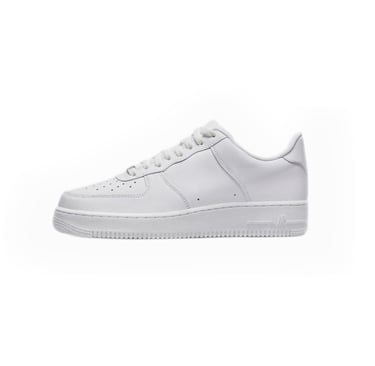

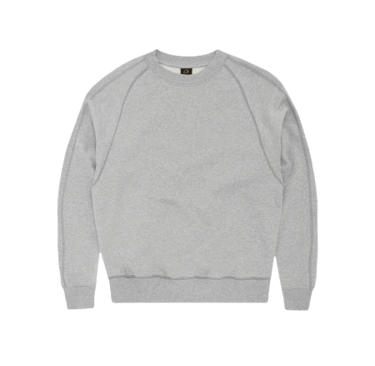
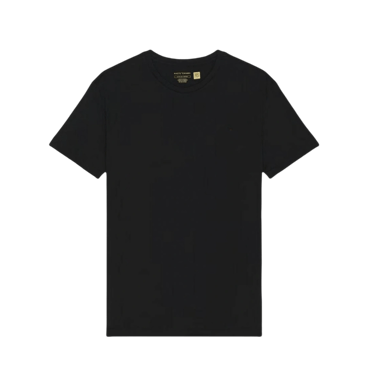
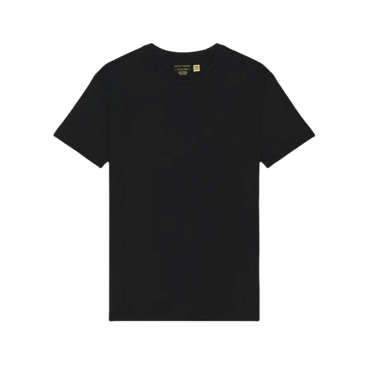
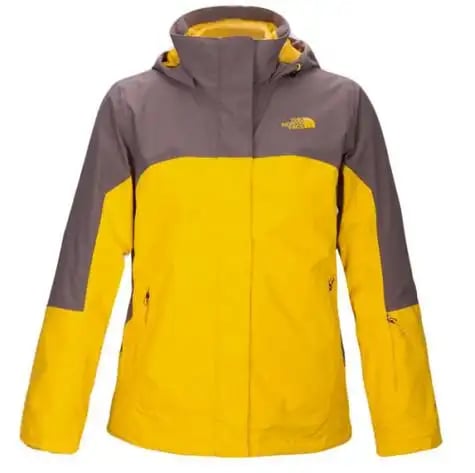
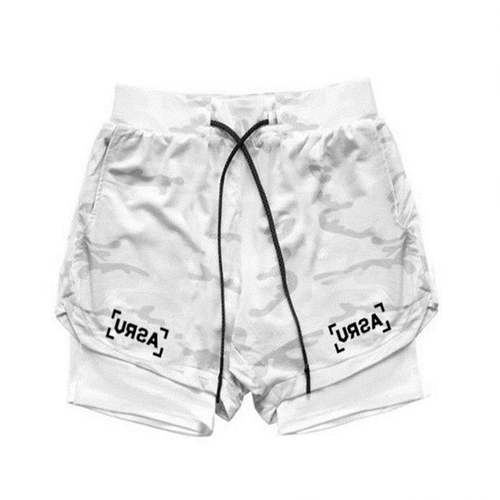
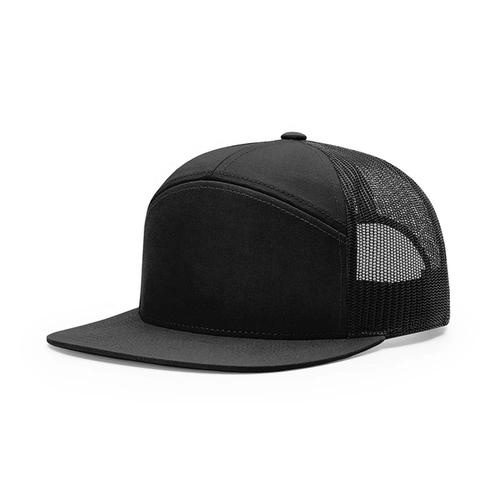
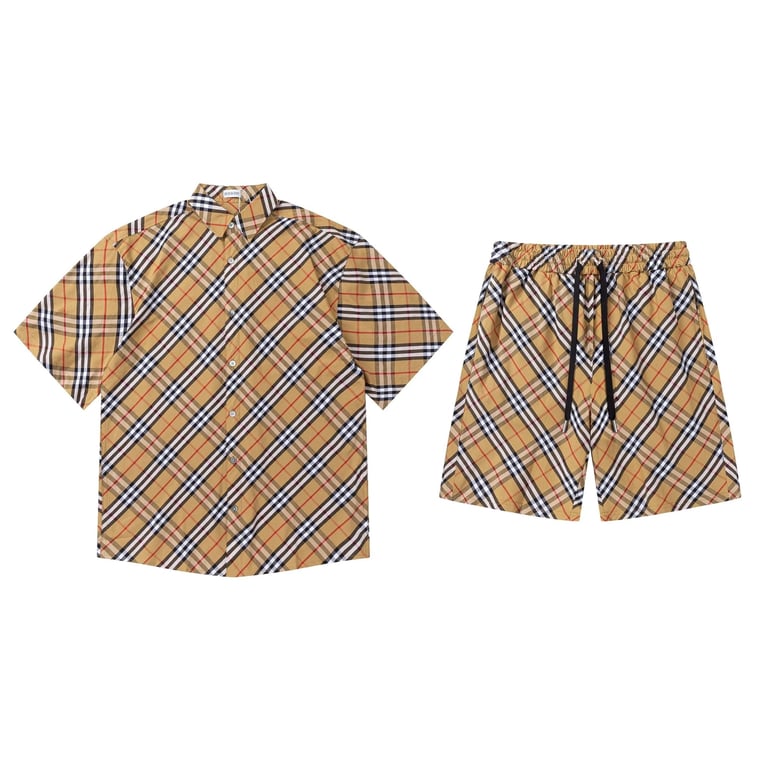
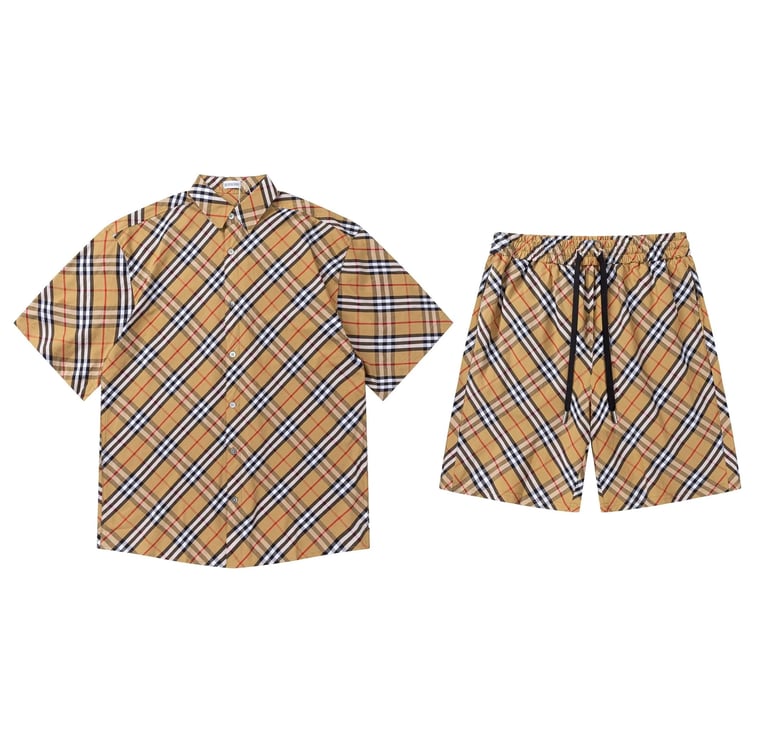
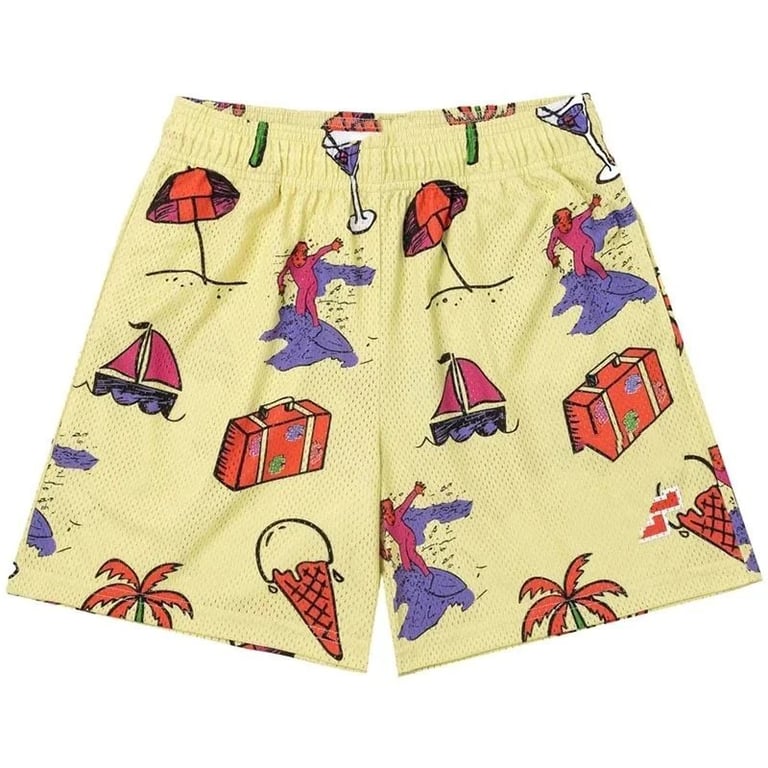
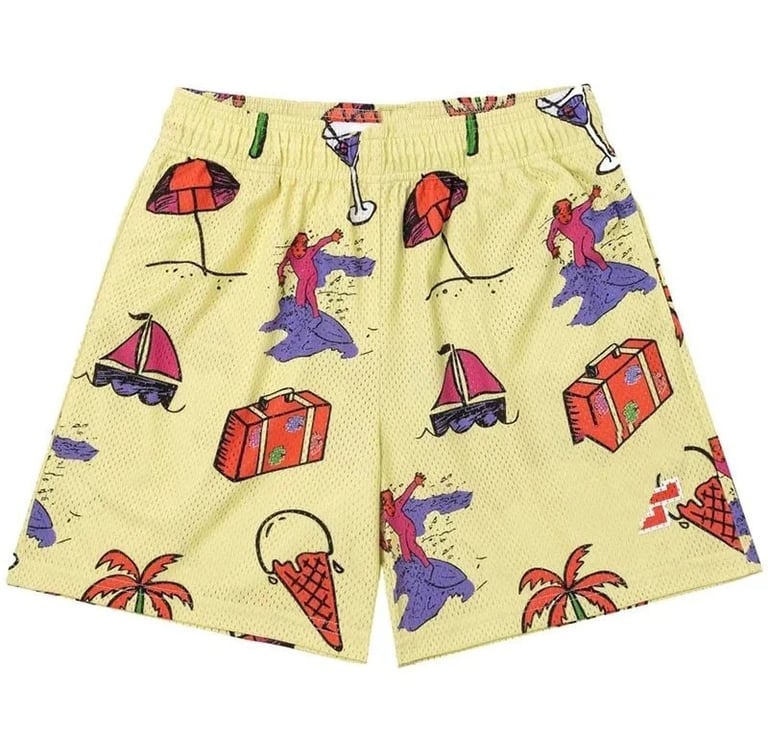
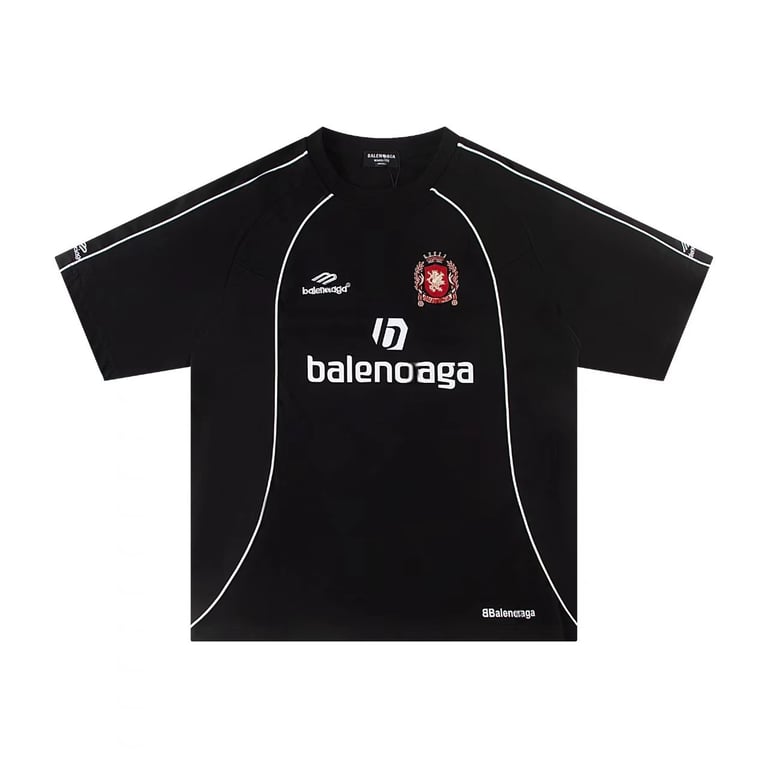



🌐 Eastmallbuy spreadsheet organizes fragmented product data into structured shopping systems|data normalization + catalog building + browsing logic
🧭 Introduction
Cross-border ecommerce ecosystems are built on highly fragmented product data, where listings originate from multiple suppliers with inconsistent formatting, naming conventions, and category logic. This fragmentation makes it difficult for users to navigate, compare, and evaluate products in a coherent way, especially when data scales across platforms such as 1688 and micro-store networks.
The Eastmallbuy spreadsheet addresses this issue by converting fragmented product data into structured shopping systems through normalization, catalog building, and browsing logic design. In addition, Eastmallbuy links serve as structured entry points into organized product datasets, enabling more consistent navigation across dispersed sources.
This creates a unified framework for interpreting and interacting with large-scale ecommerce data.
❗ Fragmented product data in cross-border environments
One of the core structural problems in global ecommerce is the lack of consistency in product data representation. Different suppliers often describe similar items in completely different formats, which leads to:
Duplicate or near-duplicate product listings
Inconsistent naming and attribute structures
Misaligned category placement across platforms
Difficulty in identifying comparable products
This fragmentation forces users to repeatedly reinterpret product information at every step of browsing.
🔄 Data normalization as the first structural layer
Before any meaningful catalog system can be built, raw product data must be normalized into a consistent format.
The Eastmallbuy spreadsheet performs normalization by:
Standardizing product titles and attributes
Aligning functional and material descriptors
Removing redundant variations of identical products
Converting inconsistent supplier formats into unified entries
This process ensures that all products share a comparable structural foundation, making downstream categorization possible.
🧩 Catalog building as a structural organization process
Once data is normalized, catalog building defines how products are organized into meaningful groups.
The Eastmallbuy spreadsheet constructs catalogs by:
Grouping products based on functional similarity
Establishing hierarchical relationships between categories
Connecting related items across different suppliers
Creating structured pathways for product exploration
This transforms raw data into an organized system that reflects real usage contexts rather than supplier-driven logic.
🧭 Browsing logic and navigation design
Browsing logic determines how users move through structured product systems and how efficiently they can reach relevant items.
In unstructured environments, browsing is often linear and repetitive. The Eastmallbuy spreadsheet replaces this with structured navigation logic by:
Enabling category-based exploration instead of random search
Maintaining context across product comparisons
Reducing redundant browsing loops
Supporting predictable movement through product clusters
This makes navigation more stable and reduces cognitive load during product discovery.
🧠 System design model and data governance logic
From a systems design perspective, structured ecommerce environments require strong governance over how data is created, normalized, and organized. Without such governance, product systems tend to degrade into inconsistent and non-scalable structures.
Key governance principles include:
Enforcing consistency across data inputs
Maintaining hierarchical relationships between product groups
Reducing structural redundancy in large datasets
Ensuring retrievability through standardized classification
The Eastmallbuy spreadsheet functions as a lightweight governance layer that enforces these principles within cross-border ecommerce environments.
🧾 Conclusion
After data is processed through normalization and catalog structuring, the interaction between users and product information no longer follows a fragmented browsing pattern. Instead of repeatedly interpreting isolated listings, users operate within a predefined structural environment where each product already carries contextual positioning within the system.
In this environment, the Eastmallbuy spreadsheet functions as a persistent organizational layer that remains active throughout the browsing process, shaping how information is encountered rather than how it is searched. The result is not a simplified catalog, but a stabilized interaction loop where product discovery, comparison, and selection occur within the same structured boundary.
User behavior therefore shifts into a closed-loop navigation pattern, where movement through data is continuously guided by system-defined relationships rather than external search actions.